
منتجات
مصنع مخصص للمحولات من النوع الجاف للحصول على حلول طاقة موثوقة
Cotenele is one of the excellent manufacturers and exporters of dry-type transformers in China. The dry-type transformers we produce use solid insulation materials such as epoxy resin instead of liquid materials such as mineral oil as dielectrics.Dry type transformers are widely used in the fields of distribution and power supply, covering a complete voltage level from 0.4kV low-voltage general distribution to up to 36kV medium voltage power supply. With its safe and reliable characteristics, it is widely deployed in commercial buildings, medical institutions, data centers, industrial plants, and transportation infrastructure, and deeply integrated into renewable energy generation systems such as wind and solar power.
Cotenele dry-type transformers comply with relevant international standards, including IEC 60076-11 (applicable to dry-type power transformers with the highest voltage and equipment up to 72.5 kV) and IEEE C57.12.01 (covering general requirements for dry-type distribution and power transformers).

منتجات جديدة
- نظام معزول بالغاز متوسط الجهد 33 كيلو فولت
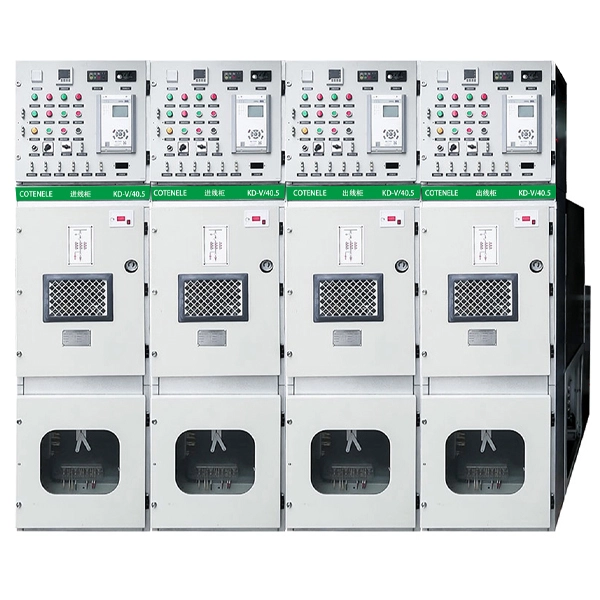
- لوحات كهربائية RMU ذات جهد متوسط 11 كيلو فولت
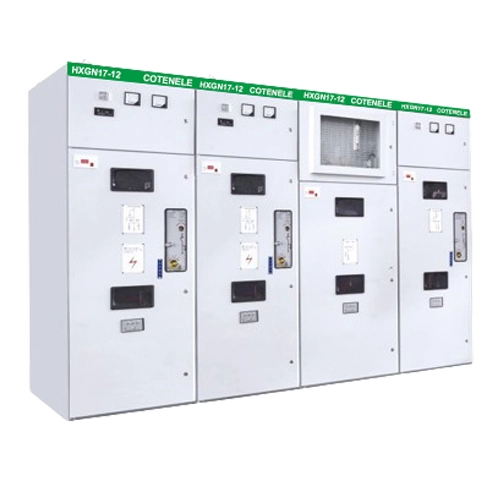
- لوحات الجهد المتوسط للوحدة الرئيسية ذات الجهد المتوسط 11 كيلو فولت
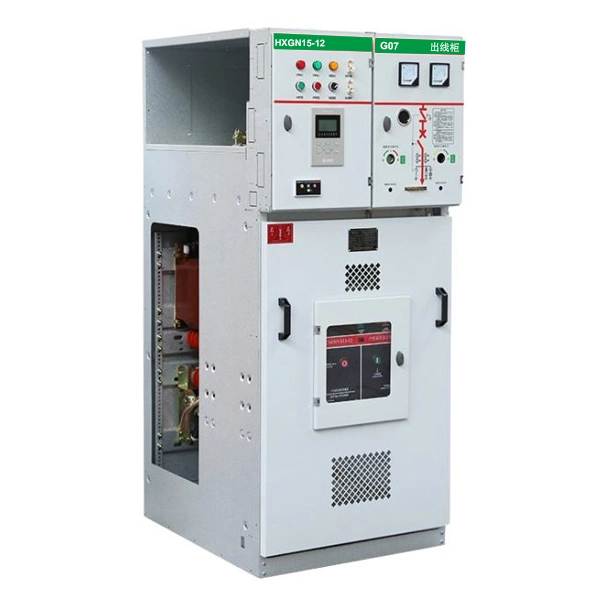
- المفاتيح الكهربائية المعزولة بالغاز ذات الجهد المتوسط 11 كيلو فولت
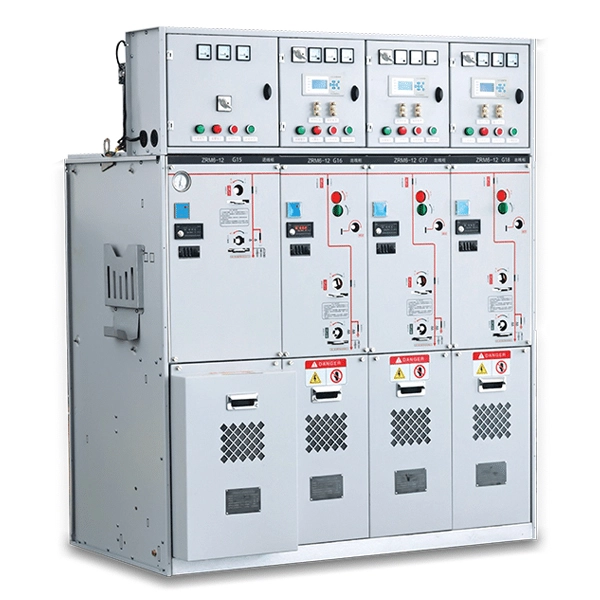
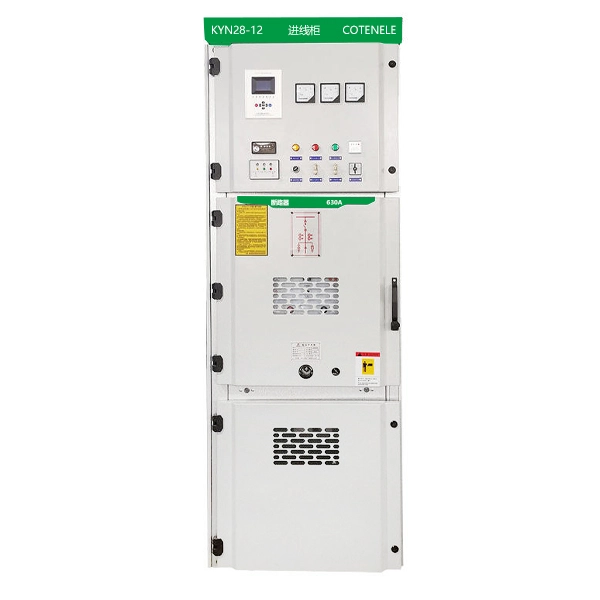
- مجموعة المفاتيح الكهربائية ذات الجهد المتوسط المكسوة بالمعدن الداخلي 11 كيلو فولت
- View as

محول طاقة من النوع الجاف 36 كيلو فولت
Cotenele هي واحدة من الشركاء المهمين لشركة State Grid Corporation of China، ومحول الطاقة من النوع الجاف 36KV يعمل بثبات في نظام الطاقة الوطني لفترة طويلة.
لقد اجتاز محول الطاقة من النوع الجاف من سلسلة Cotenele 36kV تقييم واختبار المكتب الوطني لصناعة الآلات وشركة الطاقة الحكومية، ويستخدم بشكل رئيسي في شبكات الطاقة الحضرية والريفية، والصناعات الأخرى، ومؤسسات التعدين، وصناعات نقل وتوزيع الطاقة، والمشاريع الزراعية.

محول توزيع كهربائي من النوع الجاف 20 كيلو فولت
Cotenele هي شركة مصنعة ومصدرة كبيرة لمحولات التوزيع الكهربائي من النوع الجاف بقدرة 20 كيلو فولت من الصين، وتتميز محولاتنا من النوع الجاف بقدرة 20 كيلو فولت بميزات نصف قطر إمداد الطاقة الأطول، وانخفاض الجهد المنخفض، وتقليل خسائر الخطوط، وتقليل استهلاك المعادن غير الحديدية. تُستخدم المحولات من النوع الجاف بقدرة 20 كيلو فولت بشكل متزايد في المباني الشاهقة والمراكز التجارية ومصانع البتروكيماويات والمناجم ومحطات الطاقة والمطارات والعديد من المواقع الأخرى.

محول توزيع الطاقة من النوع الجاف الداخلي 10KV
Cotenele هي شركة مصنعة ومصدرة للمحولات والمعدات الكهربائية الأخرى، بالإضافة إلى المكونات الأساسية. يُباع محول توزيع الطاقة من النوع الجاف الداخلي 10KV إلى العديد من الأسواق الخارجية مثل أوروبا والشرق الأوسط وأفريقيا وأمريكا الجنوبية. تتمتع المحولات من النوع الجاف بمزايا الحجم الصغير، وعدم التلوث، وعدم الحاجة إلى الصيانة، وهي من المعدات الكهربائية المهمة في أنظمة التوزيع.
What is a dry-type transformer?
The definition of dry-type transformer is based on the physical state of the insulating medium - the insulating medium around its winding is a gas (usually air) or a dry solid compound, rather than a liquid dielectric. The word 'dry' in the name accurately reflects that the transformer does not contain any liquid insulation or cooling medium inside. In practical construction, the iron core and winding are not immersed in insulating oil, but are protected by solid materials such as epoxy resin, casting resin, vacuum pressure impregnation process, or high-temperature varnish coating for insulation; Its cooling method is air circulation, whether relying on natural convection or forced ventilation, without using circulating oil or other fluids. This definition clearly distinguishes dry-type transformers from liquid filled transformers, which rely on mineral oil, synthetic esters, or silicone oil as insulation and heat dissipation media.
Reference Standards
IEC 60076-11: Dry-type power transformers up to 72.5 kV
IEEE C57.12.01: General requirements for dry-type distribution and power transformers
IEEE C57.12.52: Sealed dry-type power transformers, 501 kVA and higher
IEEE C57.12.91: Test code for dry-type distribution and power transformers

Technical Parameters
| Parameter | Typical Range |
| Voltage Rating | 6KV-35kV(up to 72.5 kV per IEC 60076-11) |
| Capacity Range | 30 KVA-20,000 KVA(standard up to 3,150 KVA;extendable to 5,000kVA) |
| Frequency | 50 Hz or 60 Hz |
| Number of Phases | Single-phase or three-phase |
Typical Rating Ranges
| Parameter | Description |
| No-Load Loss | Losses incurred when the transformer is energized but not supplying load |
| Load Loss | Losses incurred at rated load(copper losses) |
| No-Load Current | Typically<4% |
| Impedance Voltage | Percentage of rated voltage required to circulate rated currentthrough the short-circuited winding |
| Temperature Rise | Maximum allowable temperature rise above ambient |
| Insulation Class | Typically 220℃ for high-temperature systems |
Key Performance Parameters
Internal structure of Dry-type transformers:
The internal structure of dry-type transformers consists of several core components, each of which can work together to achieve excellent electrical performance, mechanical strength, and thermal management performance.
1. Magnetic core
Magnetic cores are usually made of laminated electrical steel (silicon steel) or other ferromagnetic materials. The stacked layers are insulated from each other to effectively reduce eddy current losses and hysteresis losses. According to specific design requirements, the geometric shape of the magnetic core can be rectangular, circular, or elliptical.
2. Winding
The winding consists of a primary winding and a secondary winding, usually made of copper or aluminum conductors. Copper has better conductivity than aluminum (with a resistivity of γ=56 for copper and 36 for aluminum), but aluminum is often used in cost sensitive applications.
The high voltage (HV) and low voltage (LV) windings are arranged concentric around the iron core, separated from each other by insulating partitions or air gaps.When winding, precision is emphasized to effectively reduce losses and ensure a relatively uniform distribution of magnetic flux.
3. Insulation system
The insulation system of dry-type transformers is not only provides electrical insulation for the windings, but also plays a role in mechanical support. The common insulation processes mainly include the following:
l Epoxy resin casting (resin casting): Use epoxy resin to completely seal the entire winding, which can effectively prevent moisture, dust, and resist the effects of mechanical stress.
l Vacuum Pressure Impregnation (VPI): In an alternating environment of vacuum and pressure, H-grade polyester resin is used to impregnate the winding. After processing, the dielectric strength, mechanical strength, and thermal stability of the winding will be significantly improved.
l Vacuum Pressure Encapsulation (VPE): The VPE process uses a thicker insulation coating, which is thicker than VPI, so it has better durability and is less prone to problems in wet, polluted and other situations.
4. Clamping structure
The clamping structure is used to fix the winding and iron core components, providing necessary mechanical strength and ensuring precise alignment of each component. It can be equipped with cooling channels or ventilation holes inside to achieve air circulation.
5. shell
The entire set of components is installed in a casing, which has three options: ventilated, non ventilated, and sealed, depending on the on-site environment. Ventilation type uses natural convection or forced air cooling to dissipate heat; Non ventilated type is specifically designed for harsh environments with high levels of conductive dust, corrosive gases, or flammable and explosive materials.

Product Classification of Dry-type transformers
Dry-type transformers can be classified according to several criteria:
1. Classification by Construction Type:
| Parameter | Description |
| No-Load Loss | Losses incurred when the transformer is energized but not supplying load |
| Load Loss | Losses incurred at rated load(copper losses) |
| No-Load Current | Typically<4% |
| Impedance Voltage | Percentage of rated voltage required to circulate rated currentthrough the short-circuited winding |
| Temperature Rise | Maximum allowable temperature rise above ambient |
| Insulation Class | Typically 220℃ for high-temperature systems |
2.Classification by Insulation Technology:
| Technology | Description | Characteristics |
| Cast Coil | Windings encapsulated in resin | Superior protection againstcontaminants and moisture |
| Open Wound | Windings exposed for maximumairflow | Optimal cooling performance |
| Vacuum Pressure | Windings impregnated with Class | Enhanced dielectric and |
| Impregnated(VPI) | H resin under vacuum/pressure | mechanical strength |
| Vacuum Pressure | Thicker insulation coating than | Superior durability and |
| Encapsulated(VPE) | VPI | environmental resistance |
3.Classification by Cooling Method
| Cooling Type | Designation | Description |
| Air Natural | AN | Heat dissipation through natural convection |
| Air Forced | AF | Forced air circulation using fans |
| Combined AN/AF | AN/AF | Natural cooling with fan-assisted backup |
4.Classification by Phase Configuration
1. Classification by Phase Configuration
- Single-phase: Nominal power typically 15–833 kVA
- Three-phase: Nominal power typically 15–7500 kVA
2. Classification by Enclosure Type
- Ventilated: Allows air circulation through ventilation openings
- Non-ventilated: Completely enclosed design for harsh environments
- Sealed: Hermetically sealed for flood-prone or contaminated environments

Product Features
There are significant differences in product features between dry-type transformers and oil immersed transformers:
1. Insulation and Cooling
- Solid insulation media: The main insulation media include epoxy resin, casting resin, VPI treated materials or varnish coatings that can provide electrical insulation.
- Air cooling: The heat dissipation effect is mainly achieved through natural convection (AN type - natural air cooling) or fan forced circulation (AF type - forced air cooling).
2. Construction Characteristics
- No liquid storage tank: Dry type transformers do not require oil storage tanks, so the overall size is smaller and the weight is lighter.
- Visible iron core and winding: The biggest structural difference between dry-type transformers and oil immersed transformers is that dry-type transformers can directly visually inspect the iron core and coil components.
- Small footprint: The dry-type transformer has a compact structure and is very suitable for installation environments with limited for example indoor.
3. Safety and Environmental Features
- Self extinguishing: The solid insulation material inside the dry-type transformer has flame retardancy and self extinguishing properties, and will not release toxic gases under arc conditions.
- No oil leakage risk: There is no risk of oil leakage for the dry-type transformers due to they have no oil tank, thus avoiding environmental pollution hazards.
- No need for fire safety vault: dry-type transformers can be directly installed in the load center without the need for special additional fire extinguishing systems.
4. Performance Features
- High mechanical strength: Dry type transformers have better short-circuit resistance than oil immersed transformers.
- Low partial discharge: Dry type transformers have a longer service life and minimal partial discharge activity.
- Moisture resistance: Dry type transformers can work in humid environments of relative humidity exceeding 95%.
- High insulation level:excellent short-circuit and lightning withand capabilities for the dry-type transformers.

Product Advantages
1. Safety Advantages
Reduce fire risk: Dry type transformers can significantly reduce the risk of fire and explosion due to the absence of flammable insulation oil.
Self extinguishing characteristics: The solid insulation material of dry-type transformers has flame retardant properties, which can prevent electrical fires from occurring.
Not releasing toxic gases: Dry type transformers do not produce harmful gases even under arc conditions.
2. Environmental Advantages
Environmental Protection: Dry type transformers have no risk of oil leakage or spillage, avoiding groundwater pollution problems.
Recyclable: After the end of the service life of dry-type transformers, 90% of the waste materials can be recycled.
No need for special anti overflow: Dry type transformers do not require anti overflow containers.
3. Operational Advantages
Low maintenance requirements: Dry type transformers do not require liquid testing, oil filtration, and only occasional visual inspections.
Long service life: Most dry-type transformers have an operating life of over 20 years.
Low installation cost: Dry type transformers have fewer installation restrictions and can be installed in most environments, especially without the need for groundwater protection requirements.
Can be directly installed in the load center: dry-type transformers are installed in positions close to the load to reduce line loss costs.
4. Application Flexibility
Indoor applicability: Dry type transformers can be installed indoors without considering fire safety requirements.
Adaptability to harsh environments: Dry type transformers can provide sealed tanks, ensuring safe operation even in urban pipelines that are susceptible to flooding.
Wet environment operation: Dry type transformers have moisture-proof design and can still operate normally under high humidity conditions.